Understands your journeys
From orders and onboarding to incidents and approvals, AI sees where each item is in the journey, what should have happened already and what the next safe step is based on your playbooks and SLAs.

Turn day-to-day operations into governed, measurable workflows. AI for Operations watches queues, updates systems, chases actions, keeps SLAs on track and surfaces issues before they turn into complaints or fire-drills.
Works across your existing tools — ticketing, CRM, ERP, spreadsheets and chat — so you get more throughput and fewer bottlenecks without ripping everything out.
AI for Operations is a layer of governed AI agents that sits across your tools and processes. It keeps work moving through queues, checks that tasks are done in the right order, fills in missing data, nudges people for decisions and flags risks early — all under rules you control.
From orders and onboarding to incidents and approvals, AI sees where each item is in the journey, what should have happened already and what the next safe step is based on your playbooks and SLAs.
Instead of people watching dashboards all day, AI monitors queues and SLAs in the background, spotting ageing items, bottlenecks and emerging patterns before they turn into a backlog or spike in complaints.
For safe, repetitive steps, AI can update fields, assign owners, send notifications and ask for missing information. For sensitive steps, it drafts and hands over for human approval — with full logs either way.
Under the surface, successful AI-assisted operations combine clear journeys, connected systems, strong guardrails and continuous feedback. The goal is predictable, auditable behaviour — not a black box.
Map the recurring journeys that run your business: orders, onboarding, service requests, incidents, changes, supplier tasks. AI uses these playbooks to understand where work is and what “good” looks like at each step.
Connect ticketing, CRM, ERP, HR, finance, shared inboxes and chat. AI reads signals like new tickets, overdue approvals and failed jobs instead of your team manually polling every system all day long.
Automate safe, repetitive steps — assign, tag, update status, send standard updates, attach checklists, request missing information — while keeping higher-risk actions behind explicit approvals and role checks.
AI watches queues and SLAs across teams. It spots ageing items, breaching work and overloaded queues, then re-prioritises, reassigns or escalates based on the capacity rules and service policies you define.
Operational policies become concrete rules. Discounts, refunds, overrides and risk-sensitive actions are always routed through the right approval chains, so AI cannot make high-impact decisions on its own.
AI summarises patterns in incidents, delays and rework. Operations leaders see which steps cause friction, where handoffs fail and which automations deliver real gains — and can iteratively tighten the playbooks.
You do not need to jump straight to fully automated operations. Start narrow, with human oversight, then step up as performance and governance mature.
AI reads queues and events, then highlights ageing work, potential SLA breaches and duplicates. No actions, just better visibility for managers and team leads so they can intervene earlier and more precisely.
AI proposes updates, replies, checklist items, root-cause summaries and next steps. Humans review and accept or edit, keeping final control but moving much faster through operational admin and coordination work.
Routine steps like tagging, assigning, sending standard updates or scheduling checks are automated within guardrails. Exceptions, conflicts and unusual patterns still go to humans with clear context attached.
For mature processes, AI carries work from intake to resolution with mandatory checkpoints. Approvals, higher-risk branches and customer-impacting changes always land with the right person before anything is finalised.
Start with the parts of operations that are already structured, high-volume and painful — then expand as teams see the benefits and trust the guardrails.
Auto-triage and tag tickets, enforce SLAs and escalations, send progress updates, summarise threads for handovers and clean up stale cases. Metrics moved: first response time, time to resolution, backlog, CSAT and re-open rates.
Track orders and jobs across systems, flag stalled orders and exceptions, chase missing documents or approvals and notify customers about delays and resolutions automatically. Metrics moved: on-time delivery, exception rates and manual status chasing.
Prepare draft invoices and statements, reconcile common mismatches, chase missing POs and run friendly reminder sequences before accounts escalate. Metrics moved: days to invoice, query resolution time and overdue balances trends.
Orchestrate onboarding checklists across departments, ensure equipment, access and training are completed on time and run consistent offboarding workflows. Metrics moved: time-to-productivity, onboarding completion and compliance tasks done on time.
Keep incidents, changes and requests moving through your ITSM process, ensure approvals and CAB reviews happen on time and generate clean reports for audits and management. Metrics moved: change lead time, failed change rate and incident resolution quality.
Assign and route jobs to the right technicians, confirm arrival and completion, capture documentation and trigger follow-up inspections or quality checks. Metrics moved: job completion time, first-time fix rate, rework and call-backs.
AI for Operations is designed for teams that care about risk, compliance and traceability. Every action has clear ownership, guardrails and an audit trail.
AI agents only see the systems and fields they need for their tasks. Sensitive data, approvals and financial changes stay restricted to authorised roles, with least-privilege access as the default posture.
Only relevant fields are shared into AI context windows. Free-text fields with sensitive personal or financial information can be masked or excluded, aligned with your privacy policies and data-handling standards.
Refunds, overrides, discounts, risk decisions and customer-affecting changes always require human approval. AI can draft data and recommendations, but people make the call and sign off on the outcome every time.
Every AI-proposed and AI-executed action has a clear who, what, when and why attached. It is easy to answer “what happened here?” for audits, customers and regulators without sifting through raw logs by hand.
Patterns support GDPR, CCPA, POPIA-style requirements: lawful basis, retention controls, subject requests and secure exports, built on top of your existing governance and risk frameworks, not in isolation.
A structured rollout avoids surprises and gives leaders and risk teams confidence. Start with clear goals, then expand once behaviour and numbers look right.
Pick 1–3 core journeys such as tickets, orders or onboarding and define success metrics: SLA adherence, backlog size, rework and escalation volume. These become the scorecard for your first AI-for-Operations pilot.
Document where work comes from, which systems hold key data and what “done” looks like. Identify the updates and communications that currently absorb the most manual effort and delay across teams today.
Decide which steps AI can automate, where it may only assist and where human sign-off is mandatory. Capture escalation paths clearly so everyone knows when AI must stop and hand over to a person with authority.
Connect the relevant tools — ticketing, CRM, ERP, chat, email — and configure AI agents to watch queues, propose actions and draft updates within your rules. Apply data minimisation and retention policies from day one.
Let AI propose actions while humans still execute them. Compare recommendations against what the team does, tune policies and content, then gradually enable automation for low-risk steps once patterns look robust.
Switch on governed automation, monitor results weekly and refine. Expand to more journeys and departments once KPIs and sample reviews demonstrate stable, reliable behaviour in line with your risk appetite.
*Illustrative ranges based on similar operations automation projects. Actual results depend on your industry, processes, data quality and how journeys are configured.
Short answers for operations, service, IT, finance and risk leaders considering AI-assisted operations.
We will help you choose the right journeys, connect your tools and introduce governed AI into your operations without disrupting your teams — then grow from pilot wins into a broader operations automation strategy.
What Can AI Agents Do for Your Business?

In today’s fast-paced digital world, businesses need efficiency, accuracy, and scalability to stay ahead. AI Agents are transforming operations by automating repetitive tasks, optimizing workflows, and enhancing customer engagement—giving you more time to focus on growth.
We provide custom AI Agents tailored to your industry, ensuring seamless integration into your existing systems. Whether you run a small business, a growing startup, or a large enterprise, our AI agents help you scale with intelligent automation.
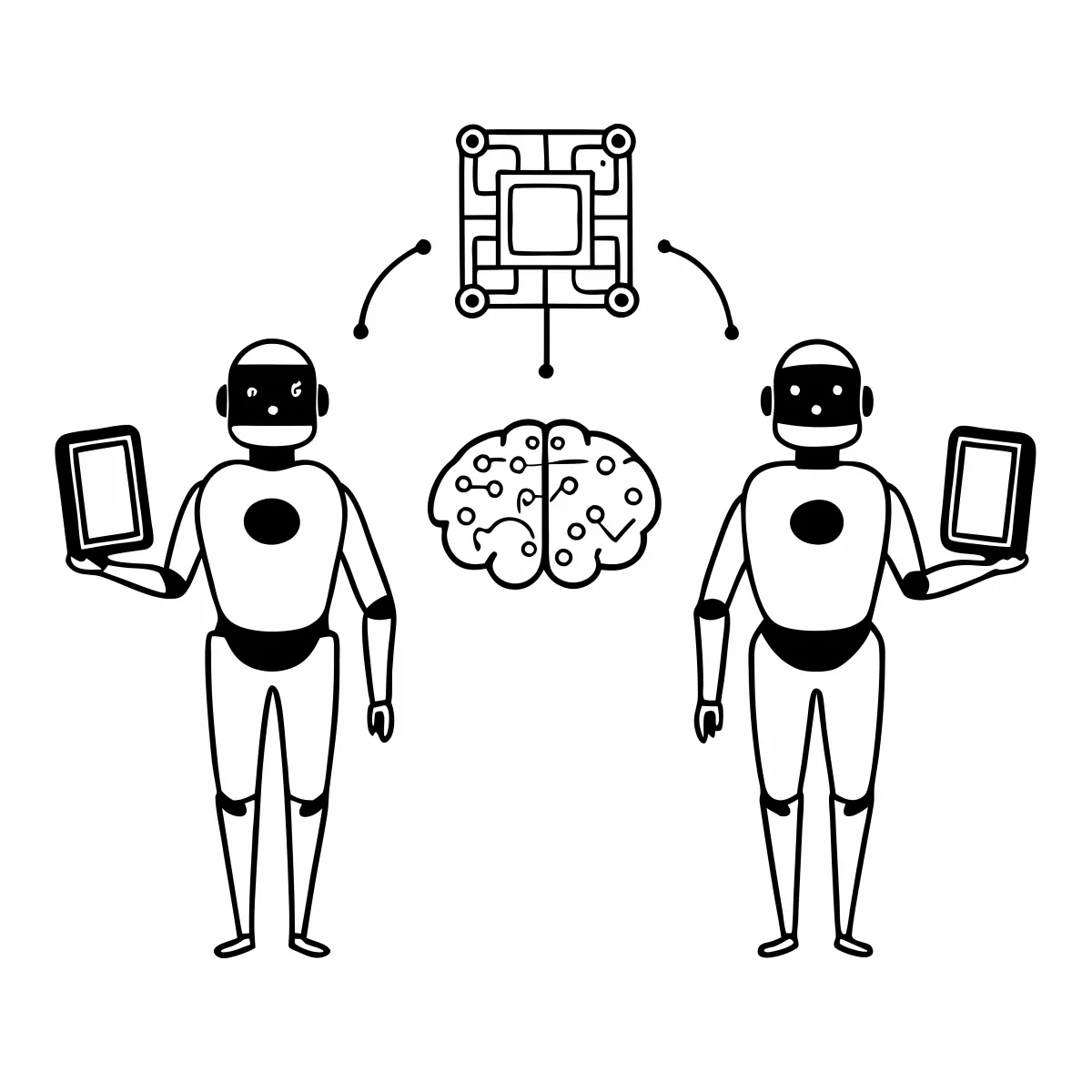

AI agents are transforming the way businesses operate by streamlining processes, automating repetitive tasks, and enhancing customer interactions. From intelligent chatbots to AI-powered virtual assistants, our automation solutions help businesses save time, reduce costs, and scale efficiently. Empower your company with cutting-edge AI agents designed to handle sales, support, marketing, and operations—seamlessly integrating into your workflow for maximum productivity.
A practical, South Africa–ready AI playbook for medium-to-large companies to drive a measurable growth spurt—covering the fastest ROI use cases, a 90-day implementation sprint, POPIA-aware governance,... ...more
WhatsApp Marketing and Automation ,Marketing Automation Business Automation Website Automation & Digital Growth WhatsApp Marketing IN ONE CRM Ai for Sales Automation WhatsApp Business Solutions Ai Callers AI Solutions & Services AI Agency Cape Town &Ai Agency South Africa
February 10, 2026•5 min read
Boost Efficiency, Automate Tasks & Scale Your Business Faster with AI-Powered Agents!

Global AI automation agency — branding, marketing, websites, lead gen, CRM, and custom agentic workflows. Built in SA, serving EMEA, AMER, APAC & MENA.
Fast, tactical session to map your growth automations: lead capture → qualification → quotes → follow-ups → reviews.